Full-stack AI
One language, one stack, one repo
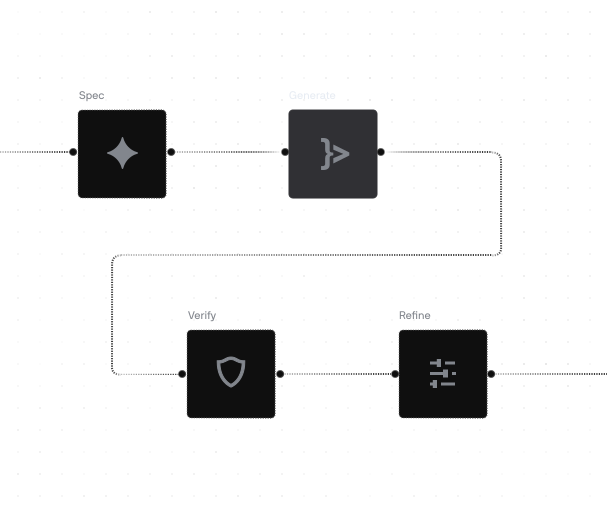
Vaadin makes AI-driven development more predictable, from code generation to verification.
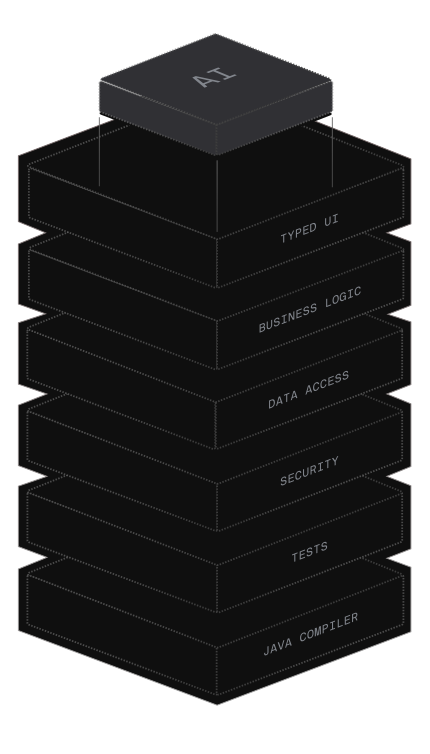
Java’s strong typing and predictable patterns make AI-generated code understandable and easier to maintain.
UI, business logic, and data stay in one stack, so AI can understand how the application works end to end.
UIs are composed of ready-made components, resulting in faster time-to-market and coherent user experience.
Full-stack changes make reviewing and verification easier since UI, backend logic, and security live together.
Vaadin handles backend-frontend communication, reducing custom glue and lowering the risk of accidental exposure.
Plugs into your coding assistant
The Vaadin MCP server and Claude plugin connects coding assistants to current Vaadin docs, APIs, and patterns. Ask your assistant to build a filtered grid, connect a form to a backend service, or follow Vaadin patterns, and it can work from framework context instead of generic assumptions.
Edit visually. Verify instantly.
Build AI into your apps
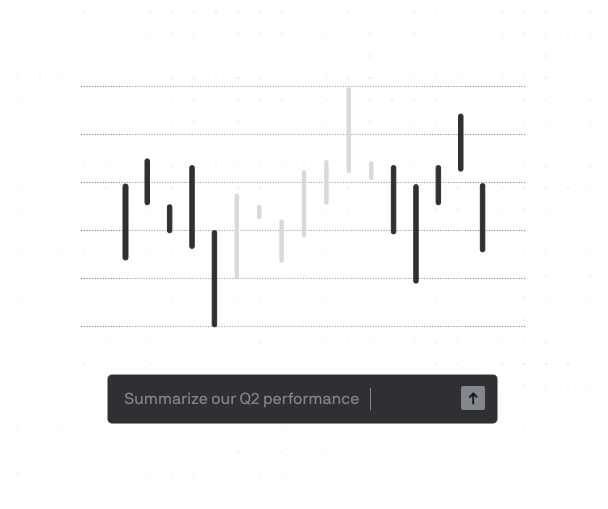
Add AI features grounded in your data and connected to real business logic. Build on ready-made UI components, with prompts, logic, and security staying in Java. Build AI features with Spring AI, LangChain4j, or your existing LLM stack. Streaming, history, attachments, and tool calling are handled for you.
Components built for AI
Modernization for the AI era
Modernize without the rewrite
AI is not only changing how new apps are built. It is also changing how existing systems get modernized. Vaadin already helps teams modernize legacy Vaadin and Swing applications with automation that considerably reduces manual effort, lowers the risk of big-bang rewrites, and makes incremental modernization practical.
From AI-assisted development to AI-powered apps
For 25 years, Vaadin has helped Java teams build modern web applications. Now the same framework is ready for the AI era — whether you're building a new application with AI assistance, adding AI-powered features to an existing one, or modernizing a legacy system.